Posted by Larimer Associates on 1:30 PM
Posted by Larimer Associates on 10:27 AM
 Check out the Gathering of Nations Pow Wow April 26th through the 28th at the UNM Arena “The Pit.”
North America's largest pow wow and Native American competition featuring Indian singing and dancing with more than 3,000 participants, isles of shopping, and native foods and music. The event will be held at the UNM Arena and lasts all day and night Friday, April 27th and Saturday, April 28th.
The Miss Indian World Traditional Talent Presentation & Show will be held Thursday evening, April 26th at the Hard Rock Hotel & Casino Albuquerque. Tickets are $14 each.
Pow Wow, Stage 49 and Traders Market one-day wrist band tickets are $17 each and include in and out privileges. Two-day wrist band tickets are $34 each and include in and out privileges.
For more information: http://www.itsatrip.org/events/featured/spring/powwow.aspx?source=hpbanner
Posted by Larimer Associates on 10:35 AM
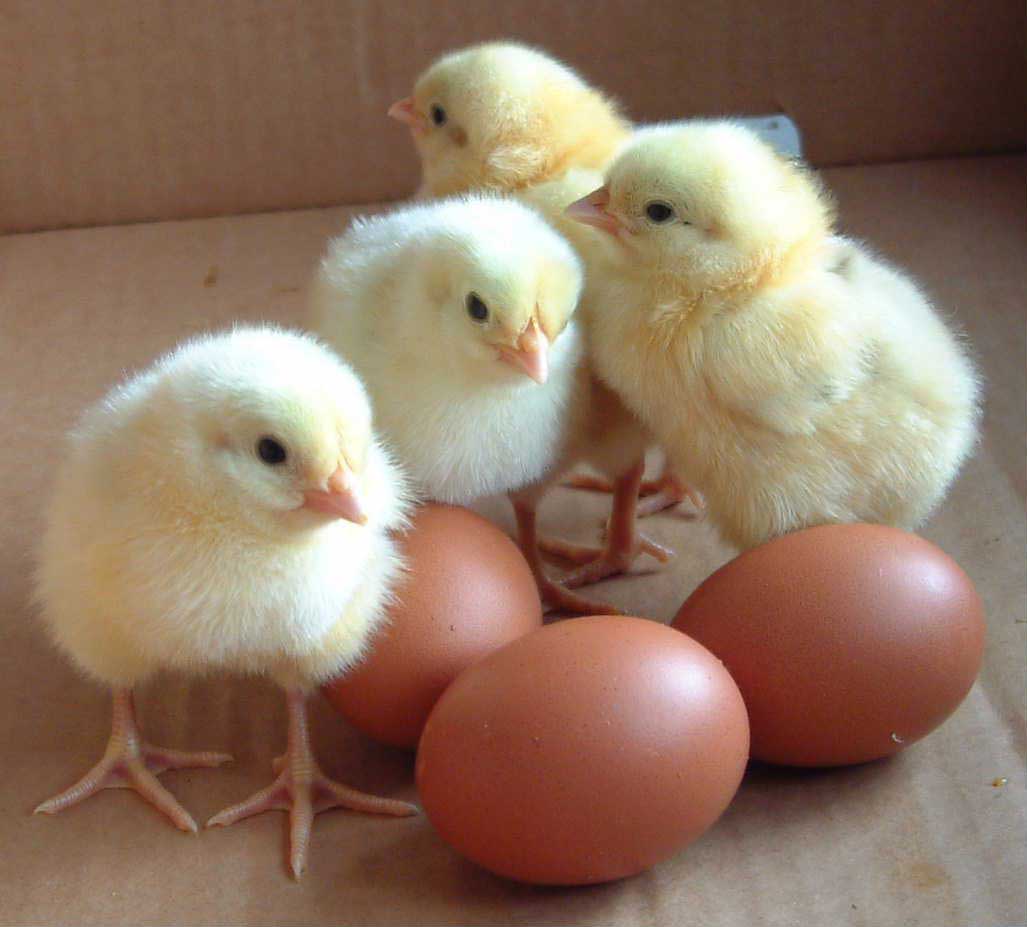
Just a heads up in case you were planning to buy any chicks or ducklings for Easter!
Baby chicks may be cute, and they sure look cuddly, but they can carry diseases such as salmonella, and so they should not be given as Easter presents to children, state officials say.
The New Mexico Department of Health and the state's Livestock Board are advising adults not to buy baby chicks and ducklings as pets for this Easter season, noting that New Mexico has had 16 salmonella cases related to baby chicks in the past six years.
Many of those cases involved young children, officials said.
"While there are many good reasons to purchase baby chicks, we are asking feed stores around the state to strongly discourage people from buying baby chicks as pets, especially if they have young children," said Department of Health Cabinet Secretary, Dr. Catherine Torres, in a prepared statement.
Las Cruces stores urge sanitation
However, local feed stores counter that baby chicks — and other livestock such as ducklings and small turtles — are safe as long as people practice sanitation and wash their hands when handling the animals.
"Everything in the world can be bad for you if you don't do it right," said Curtis Creighton, owner of Horse N Hound Feed N Supply on West Amador Avenue.
Creighton said his store will sell around 3,000 chicks during the three days leading up to Easter. In his store's 29 years, Creighton said none of his employees have ever contracted salmonella.
However, allowing children to kiss and cuddle with chicks is a "bad idea," Creighton said.
"As long as you're sanitary with them, there is no risk associated with chickens. There are no issues," said Creighton, who advises people to wash their hands and keep the chickens' area clean.
At The Feed Store, 5165 Doña Ana Road, Sean Stewart, an employee whose family owns the business, said his store has been selling chicks as Easter presents for several years with no problems.
"The hatchers do a good job containing any problems, so it's not something you see at the feed stores," Stewart said. "We've never had a single incident. It's been great. People love (chicks)."
Still, the New Mexico Department of Health said many chicks and young birds carry salmonella in their droppings, and that it is difficult to tell if the animals carry the disease because they usually do not show any symptoms.
Early symptoms of salmonella in people include fever, diarrhea and abdominal pain, as well as nausea, chills and headaches. Those symptoms develop within one to three days after exposure to baby chicks and their droppings, officials said.
"Children have become infected with salmonella when parents keep the baby birds inside the house and allow their small children to handle and snuggle with them," said Dr. Paul Ettestad, state public health veterinarian at the Department of Health.
"It's not a toy"
The Human Society of the United States also advises adults to purchase plush toys or candy as Easter gifts instead of live chicks and rabbits.
"Rabbits and chickens can make wonderful companions, but those adorable babies grow up quickly into adults that will need proper socialization, care and companionship for many years," said Inga Fricke, the Human Society's director of sheltering and pet care issues.
Dr. Beth Vesco-Mock, director of the Animal Services Center of the Mesilla Valley, a city-county animal shelter, said livestock such as chicks and ducklings are not allowed in Las Cruces' city limits.
Vesco-Mock, who grew up on a farm in Ohio and owned a pet duck named Steam Shovel, said she did not object to people owning animals, but does take issue with people buying them as gifts for children.
"They treat the animals like commodities," Vesco-Mock said. "It's not a toy. It's not a stuffed bunny. They are living creatures that you are responsible for taking care for during their natural lives.
"It's not logical to expect a child to have the responsibility for taking care of a living creature," said Vesco-Mock.
After cats and dogs, rabbits are the animals most frequently surrendered to animal shelters, mostly because people are not prepared for the long-term commitment, according to the Human Society.
The Animal Services Center of the Mesilla Valley did not take in any ducks or chickens last year, but people brought in 75 rabbits to the shelter, with 54 of those delivered between May and October of 2011, Vesco-Mock said.
Brian Fraga can be reached at (575) 541-5462; Follow him on Twitter @bfraga
Learn more
Department of Health recommends the following preventive measures to prevent Salmonella infections from live poultry:
— Wash your hands thoroughly with soap and water immediately after touching live baby poultry or anything in the area where they live and roam. Use hand sanitizer if soap and water are not readily available.
— Adults should supervise hand washing for young children.
— Don't snuggle or kiss the birds, touch your mouth, or eat or drink around live baby poultry.
— Do not let live baby poultry inside the house or in areas where food or drink is prepared, served, or stored, such as kitchens, pantries, or outdoor patios.
— Do not clean any equipment or materials associated with raising or caring for live poultry, such as cages or feed or water containers, in the house.
— Do not let children younger than 5 touch chicks, ducklings, or other live poultry.
— Observe same precautions for small turtles.
— Visit your physician if you experience abdominal pain, fever and/or diarrhea.
Source: New Mexico Department of Health
Read more: http://www.lcsun-news.com/las_cruces-news/ci_20318397/easter-debate-begins-are-chicks-ducklings-safe-gifts